
Public service reform in the UK stands at a crossroads. There is growing alignment around a new ‘liberated’ model of public services, as outlined in Demos’s 2024 Future Public Services Taskforce: preventative, empowered, joined-up and innovative services, centred around people.
Yet there is also evidence that the government’s reform ambitions are narrowing, buffered by the pressure to deliver tangible change, and under extreme fiscal pressure. The mission-led government promised just over a year ago is giving way to a focus on voter pinch points and older, ‘New Public Management’ models of running public services.
In this context, Demos has launched a new programme of work – Powering Public Service Reform – to understand and dismantle the cultural and systemic blockers that hold back progress. The programme will deep dive on:
- Culture
- Accountability
- Funding
- Digital enablement
- Communications and narrative
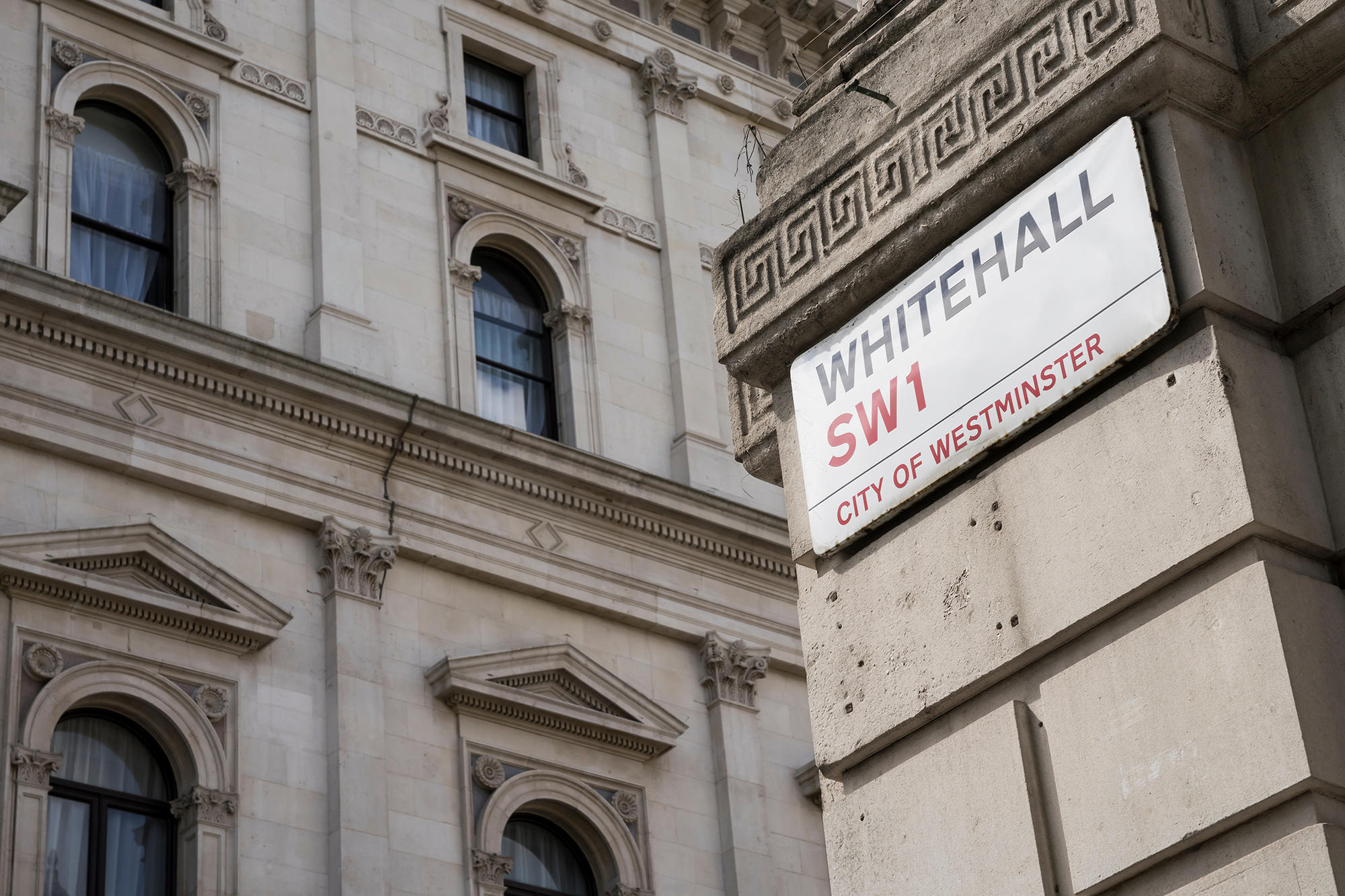
This first paper focusses on culture: why promising reforms struggle to ‘get through’ the Whitehall system in the first place, and even more so to embed themselves for any length of time. Drawing on the experiences of reformers themselves – from Permanent Secretaries to LA Chief Executives – it identifies five major barriers to a more reforming culture in central government.
But while some of these barriers may feel intractable, they needn’t give rise to despair: culture is a much underexplored aspect in debates around Whitehall reform, despite advanced academic and practical models for change existing beyond its walls. Harnessing insights from organisational psychology and management science, the paper points to the seeds of possible solutions – early signs of how cultural change could realistically be achieved in Whitehall.