
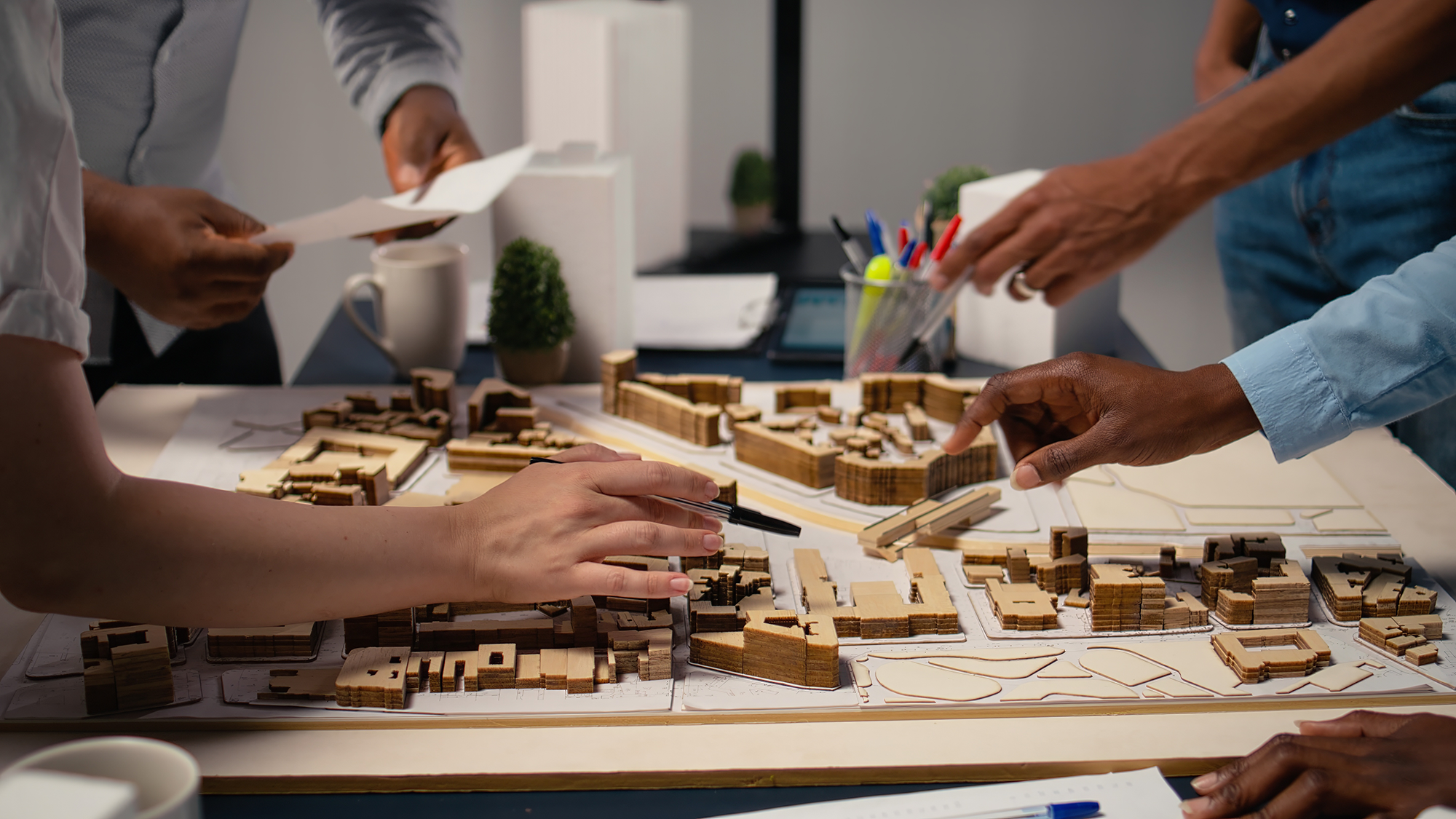
The UK’s promised fourth wave of New Towns offers a once-in-a-generation opportunity. Not only to accelerate housing supply and support economic growth, but to redefine the relationship between people and place. This paper argues that the success of the New Towns programme depends on introducing a radical upgrade to our ‘citizenship of place’.
Today, the processes through which places are planned, built and stewarded leave citizens with only two roles: disengaged bystanders or angry opponents. Our planning system hard-wires conflict, inviting the public in late, narrowly and reactively. Meanwhile, the neighbourhoods produced by this system too often lack the social infrastructure, governance and stewardship models needed to sustain active, connected and empowered communities.
We introduce the concept of citizenship of place, and consider how the idea would work in practice, across two domains:
- Place-making citizenship: how people participate in shaping places – planning, design, land use, and development decisions.
- Place-based citizenship: how people live in and sustain those places – running community assets, stewarding public spaces, building networks, organising, and supporting one another
This paper is a provocation, not a blueprint. It sets out the problem, identifies the opportunity, and poses key questions that must be resolved to design a new model of citizenship of place. If you wish to share your view on the paper, are interested in partnering with us or otherwise finding a way to get involved, please do get in touch with paper author, Lucy Bush.