
Becoming a Nation of Neighbours: The political story for neighbourhood renewal – told from the ground up
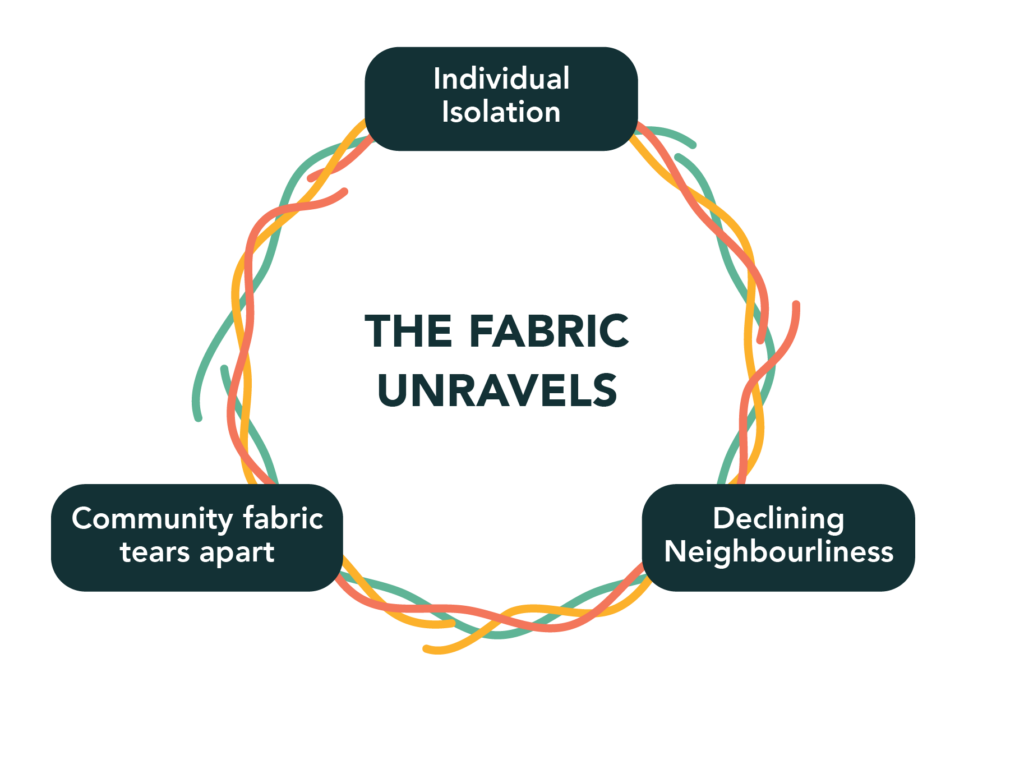
Britain’s social fabric is fraying. Across the country, people are experiencing greater isolation, weaker connections and declining trust in the institutions meant to serve them. Yet our research also finds hope: communities and local organisations are already working to bring people together, support one another and make their neighbourhoods better.
Becoming a Nation of Neighbours explores what it would take to strengthen this social fabric, drawing on conversations with communities and community organisations across Britain, alongside nationally representative polling.
The report finds that people want stronger, more supportive and resilient communities – but they are sceptical that change is possible, or that government is genuinely committed to making it happen. Devolution offers an opportunity to change this. But the public want power in their communities, rather than simply moving it from Whitehall to the Town Hall or Mayor’s Office.
Our polling finds that a community-centric devolution model, vs a council-centric model, makes the public more optimistic about:
- Reducing loneliness and mental health issues (+37% vs +25%)
- Improving local opportunities for young people (+42% vs +33%)
- Their ability to have a say in local matters (+26% vs +20%)
- Andy Burnham (+19% vs +16%) and the government (+12% vs +8%)
- The future of Britain (+14% vs +12%)
The report sets out how putting community organisations and local people at the centre of devolution could help rebuild trust, strengthen local connection and create a more optimistic Britain – and provides a narrative toolbox for political leaders to turn the ambition of a Nation of Neighbours into reality.